
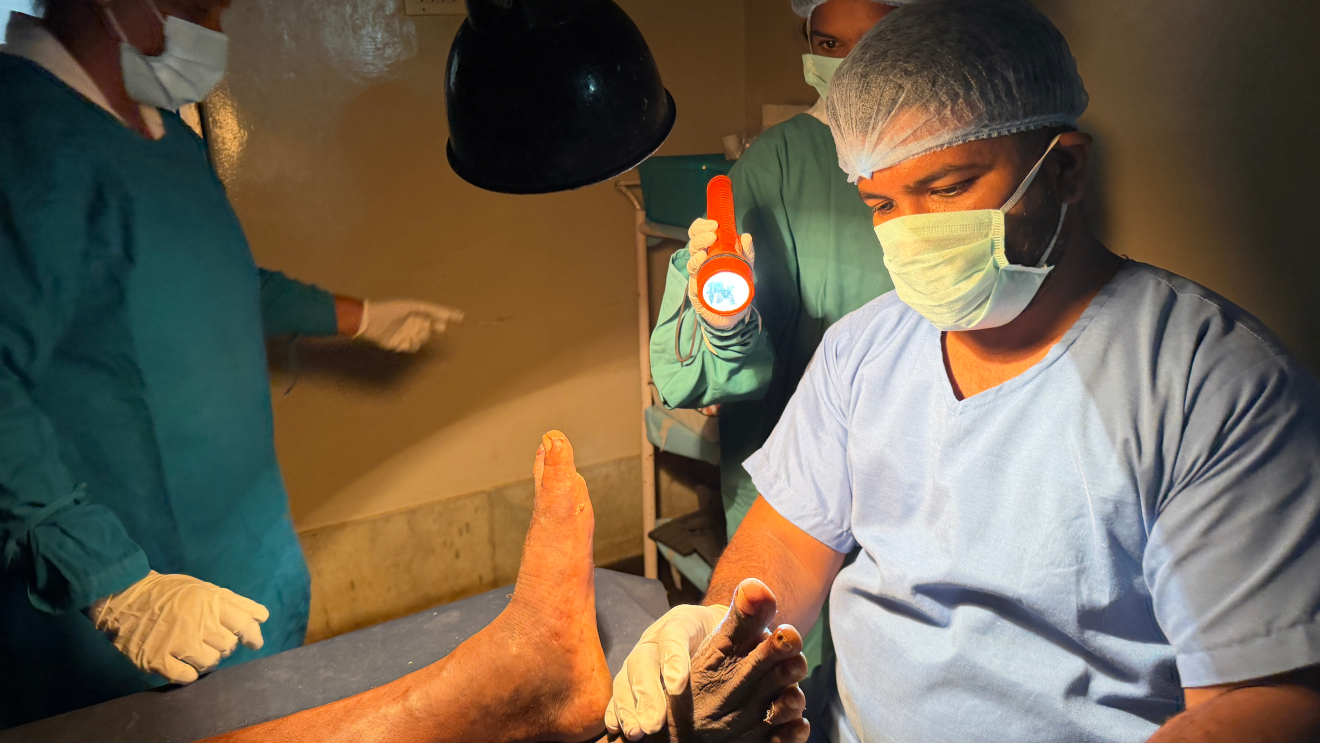
What is diabetic foot burning?
Diabetic foot burning is a symptom experienced by individuals especially during bed time with diabetes, characterized by a sensation of burning or heat in the feet. This symptom can vary in intensity, from a mild discomfort to an intense burning sensation that can significantly impact daily life. It is often accompanied by other symptoms such as tingling, numbness, or pain and you must go for diabetes foot burning treatment in this case.
The burning sensation in the feet is primarily caused by nerve damage, a condition known as diabetic pheripharal sensory neuropathy. High blood sugar levels over time can damage the nerves, leading to abnormal sensations. The nerves responsible for sensing temperature and pain are particularly affected, resulting in the burning feeling.
Foot burning problems are caused by poor blood circulation, another common complication of poor diabetes manangement. Reduced blood flow to the feet can impair nerve function and contribute to the burning sensation. It is essential to understand the underlying causes of diabetic foot burning to effectively manage and alleviate the discomfort.
Personalized Treatment
Every patient is unique. We develop individualized care plans based on your condition, goals, and preferences.
Advanced Diagnostics
Access to cutting-edge imaging, laboratory, and diagnostic tools ensures accurate assessments.
Ongoing Monitoring
We offer follow-up care, education, and guidance to help you maintain your health over time.
Preventing diabetic foot burning and complications
Prevention plays a crucial role in managing diabetic treatment for burning feet and reducing the risk of
complications. Here are some techniques where you can prevent your foot from burning:
Regular foot inspections
Perform daily foot inspections to check for any signs of injury, such as cuts, blisters, or redness. If you are having trouble viewing the bottoms of your feet, try a mirror or contact a loved one for help.
Proper footwear
Wear comfortable, well-fitting shoes and socks that provide adequate support and cushioning. Avoid shoes that are too tight or have rough seams that can cause friction and irritation.
Avoid smoking
Smoking can further impair blood circulation and delay wound healing. Quitting smoking can improve overall foot health and reduce the risk of complications.
Control blood sugar levels
Keeping your blood sugar levels within the target range recommended by your healthcare provider can help prevent further nerve damage and reduce the severity of diabetic foot burning.
Regular check-ups
Schedule regular check-ups with your healthcare provider to monitor your foot health and identify any potential issues early on.
Maintain a healthy weight
Keeping a healthy weight can reduce pressure on your feet and lower the risk of developing foot problems associated with diabetes. Aim for a balanced diet and exercise to support overall health.
Medication and foot burning treatment for Diabetic people
In addition to lifestyle changes, various medications and treatments can help alleviate the pain of foot burning treatment. It is essential to work closely with your healthcare provider to determine the most appropriate treatment options for your specific situation.
- Over-the-counter or prescription topical creams containing capsaicin or lidocaine can provide temporary relief from the burning sensation.
- Certain medications, such as antiseizure drugs or antidepressants, can help manage the neuropathic pain associated with diabetic foot burning.
- Nerve blocks involve injecting a local anaesthetic around the affected nerves to block pain signals.
- Transcutaneous Electrical Nerve Stimulation (TENS) involves applying low-voltage electrical currents to the skin, which can help relieve pain by interfering with pain signals.
- Physical therapy can help improve balance, strength, and coordination, reducing the risk of falls and injuries.
- Surgical procedures decompress nerves, correct structural abnormalities, or improve blood flow to the feet.
Tips for caring for your feet as a diabetic
Caring for your feet is crucial when you have diabetes. Here are some tips for your diabetic foot burning treatment:
Inspect your feet daily
Take the time to inspect your feet daily for any signs of injury, such as cuts, blisters, redness, or swelling. If you find any irregularities, speak with your doctor.
Keep your feet clean and moisture
Wash your feet daily with warm water and mild soap, ensuring to dry them thoroughly, especially between the toes. To keep your feet from drying out and cracking, moisturise them with a mild lotion.
Trim your toenails carefully
Trim your toenails straight across, but don't go too short. If you have difficulty reaching your feet or have thickened nails, consider having a professional trim your toenails for you.
Wear comfortable shoes
Choose shoes that fit well, provide adequate support, and have a roomy toe box. Avoid shoes that are too tight or have rough seams that can cause friction and irritation. Consider wearing orthotic inserts if necessary.
Foot Burning Problem
Diabetic foot burning is a common and painful symptom among individuals with diabetes. At Dr. Durai’s Diabetic and Foot Care Clinic, we understand how this condition affects daily life and overall comfort. Foot burning is mainly caused by diabetic neuropathy—nerve damage from long-term high blood sugar levels—leading to burning, tingling, and numbness. Poor blood circulation, another major diabetic complication, can worsen these sensations by further affecting nerve function.
Our clinic provides complete and personalised treatment for diabetic foot burning. We offer a range of effective therapies, including medications, topical treatments, nerve blocks, and physical therapy, all aimed at reducing pain and improving quality of life. Each treatment plan is tailored to the patient’s symptoms and medical history to ensure the best possible care.
We also focus on preventive measures to stop symptoms from worsening. Regular foot inspections help detect early injuries or infections. Wearing proper, well-fitted footwear reduces friction and pressure on the feet. Maintaining controlled blood sugar levels slows nerve damage, while staying at a healthy weight through proper nutrition and exercise improves circulation and reduces stress on the feet.
At Dr. Durai’s Diabetic and Foot Care Clinic, we combine advanced medical treatment with compassionate care to help patients manage diabetic foot burning effectively. Our comprehensive approach ensures every aspect of this condition is addressed, supporting patients in achieving healthier, more comfortable lives.
FAQ
What causes diabetic foot burning?
Diabetic foot burning problem has several underlying causes, primarily related to the complications of diabetes. The most common cause is diabetic neuropathy, which occurs due to nerve damage caused by high blood sugar levels over time. Other factors that can contribute to diabetic foot burning include poor blood circulation, inflammation, autoimmune reactions, and metabolic imbalances.
What preventive measures does Dr. Durai’s Clinic recommend for diabetic foot care?
Diabetic foot burning problem has several underlying causes, primarily related to the complications of diabetes. The most common cause is diabetic neuropathy, which occurs due to nerve damage caused by high blood sugar levels over time. Other factors that can contribute to diabetic foot burning include poor blood circulation, inflammation, autoimmune reactions, and metabolic imbalances.
What preventive measures does Dr. Durai’s Clinic recommend for diabetic foot care?
Dr. Durai’s Clinic recommends regular foot inspections, wearing proper footwear, avoiding smoking, controlling blood sugar levels, maintaining a healthy weight, and scheduling regular check-ups to prevent diabetic foot complications.
What to do if I suspect diabetic foot burning?
If you are experiencing a burning sensation in your feet and suspect it may be related to diabetes, it is crucial to consult with a healthcare professional for an accurate diagnosis. Diagnosing a diabetic foot burning problem typically involves a comprehensive evaluation of your medical history, symptoms, and physical examination.
How often should I schedule check-ups at Dr. Durai’s Clinic for diabetic foot care?
Regular check-ups at Dr. Durai’s Clinic are recommended at least once every three months to monitor foot health, detect any issues early, and receive preventive care and treatment as needed.
Your Health, Our Priority
Our team of dedicated professionals combines medical expertise, advanced technology, and a patient-first approach to ensure you receive the highest quality treatment every time you visit.
- Board-certified providers with extensive training and experience.
- Modern equipment and a patient-centered environment.
- We work closely with other specialists to provide integrated care.
- Flexible scheduling, telehealth options, and timely appointments.