
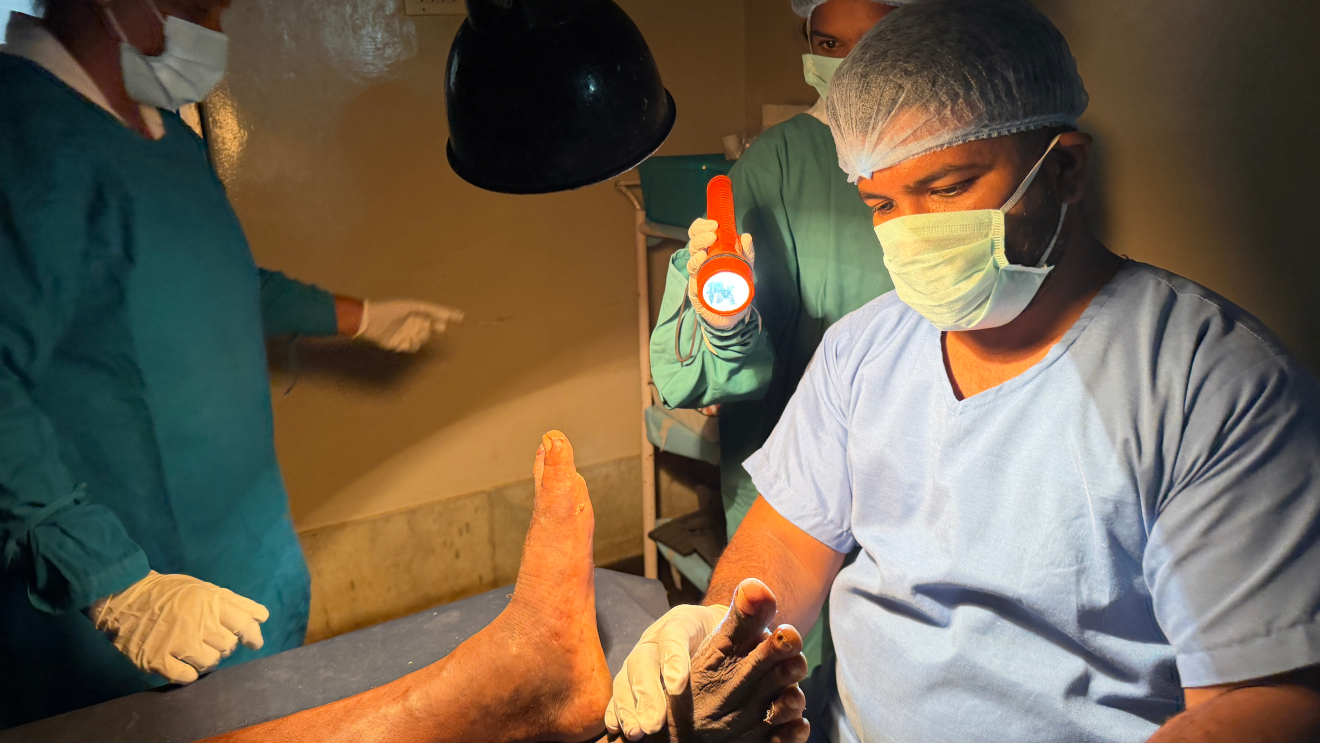
What is Diabetes and Foot Care?
Diabetes affects the body in various ways, and one particularly vulnerable area is the feet and that is why you must go for diabetic foot care. When blood sugar levels are consistently high, it can lead to nerve damage known as diabetic neuropathy. This condition affects the nerves in the feet, making it difficult to feel sensations such as pain, heat, and cold. As a result, even a minor injury or infection can go unnoticed, leading to severe complications if left untreated.
In addition to neuropathy, diabetes can also cause poor circulation. High blood sugar levels can damage blood vessels, reducing blood flow to the feet. When blood flow is compromised, it becomes harder for the body to heal wounds or fight infections, increasing the risk of foot ulcers and other amuptations.
Personalized Treatment
Every patient is unique. We develop individualized care plans based on your condition, goals, and preferences.
Advanced Diagnostics
Access to cutting-edge imaging, laboratory, and diagnostic tools ensures accurate assessments.
Ongoing Monitoring
We offer follow-up care, education, and guidance to help you maintain your health over time.
Common Foot Problems Associated with Diabetes
Diabetes can contribute to a range of diabetic foot care problems, and it’s important to be aware of these potential issues to prevent them from escalating. Some of the most common foot problems associated with diabetes include:
- Foot ulcers - Ulcers are open sores that develop on the feet. They can be caused by neuropathy, poor circulation, or a combination of both. Foot ulcers are particularly dangerous because they can become infected and lead to serious complications.
- Fungal infections - Diabetes can create an environment that is more susceptible to fungal infections, such as athlete's foot. These infections can cause itching, redness, and peeling of the skin between the toes and the soles of the feet.
- Ingrown toenails - Nerve damage and poor circulation can make it difficult to detect ingrown toenails. If left untreated, ingrown toenails can become infected and cause significant pain.
- Corns and calluses - Without diabetic foot care, it can lead to the formation of corns and calluses due to excessive pressure or friction on the feet. These hardened areas of skin can become painful if not properly managed.
- Charcot foot - Charcot foot is a condition common in obbesse population where the bones in the foot weaken and fracture due to nerve damage. This can cause the foot to become deformed and unstable, making walking difficult.
Tips for Daily Foot Care for Diabetics
Proper daily foot care is essential for managing diabetes and foot care complications. By following these tips, you can maintain healthy feet
and reduce the risk of infections and other problems:
Wash your feet daily
Wash your feet with warm water and mild soap, being sure to cleanse between the toes and around the nails. Avoid soaking your feet for extended periods, as this can dry out the skin.
Dry your feet thoroughly
Use a soft towel to pat your feet dry after washing it. Make sure to thoroughly dry between your toes to prevent moisture buildup.
Moisturize your feet
Apply a moisturizing cream or lotion advised by your consultant to your feet daily to your feet daily, excluding the areas between the toes. Moisturizing helps prevent dry skin and cracking, which can lead to infections.
Avoid hot water and heat sources
Diabetes can affect your ability to perceive temperature accurately. Check the water temperature with your hand or a thermometer before bathing to avoid burns.
Trim your toenails carefully
Use a nail clipper specifically designed for toenails and trim them straight across. Avoid cutting them too short or rounding the corners, as this can increase the risk of ingrown toenails.
Inspect your feet daily
Take a few minutes each day to examine your feet for any signs of injury, such as cuts, redness, or swelling. If you notice any abnormalities, consult your doctor quickly to prevent potential complications.
When to Seek Professional Help for Foot Problems
While diabetes and foot care treatments are essential, it’s crucial to seek professional help when necessary. If you notice any of the following signs or symptoms, make an appointment with a diabetic foot consultant or healthcare provider:
Persistent pain
If foot pain continues despite rest or over-the-counter pain relievers, you should seek medical attention, as it may indicate an underlying condition that needs treatment.
Non Healing Foot Ulcer
If you have foot sores, wounds, or ulcers that aren’t healing, see a healthcare professional promptly to prevent infection and serious complications.
Ingrown toenails
If you have an ingrown toenail—common in diabetic patients—causing severe pain or showing infection signs like redness, swelling, or discharge, seek treatment at Durai’s Diabetes and Footcare Clinic. A podiatrist can treat it properly and prevent complications.
Changes in sensation
If you notice numbness, tingling, or reduced feeling in your feet, speak with a healthcare professional. These symptoms may indicate nerve damage and need proper evaluation.
Foot deformities
If an ingrown toenail causes severe pain or shows infection—redness, swelling, or discharge—visit Durai’s Diabetes and Footcare Clinic. A podiatrist can treat it safely and prevent complications.
Preventing Foot Complications through Lifestyle Changes
complications associated with diabetes and foot care to be done. Here are some strategies to consider:
Manage your blood sugar levels
Keeping blood sugar controlled is essential for overall health and foot care. Check your levels and follow your provider’s advice on medication, diet, and exercise.
Maintain a healthy weight
Excess weight strains your feet and raises the risk of issues like Charcot foot. Maintain a healthy weight with a balanced diet and regular exercise.
Stay active
Regular activity boosts circulation and helps prevent foot problems. Choose low-impact exercises like walking, swimming, or cycling to keep your feet healthy.
Quit smoking
Smoking can further impair circulation and increase the risk of foot complications. If you smoke, consider quitting to improve your overall health and foot care.
Products and Tools
There are various diabetic foot care products and tools available on the market that can help enhance foot health and prevent complications. Here are some examples:
- Diabetic socks – Designed for cushioning, pressure relief, and better circulation. Made with moisture-wicking fabric to keep feet dry and reduce fungal infection risk.
- Orthotic inserts – Custom orthotic slippers give added support, distribute pressure, and prevent calluses or ulcers. Get your custom pair in 30 minutes at Durai’s Diabetes and Footcare Clinic, a leading diabetes hospital.
- Foot creams and lotions – Diabetic-specific creams keep skin moisturized and prevent dryness or cracks. Use diabetic-safe products and avoid applying between toes.
- Foot files and pumice stones – Help remove dead skin and calluses gently. Use carefully and avoid aggressive scrubbing to prevent irritation.
- Pedicure tools – Diabetic-safe pedicure tools reduce the risk of cuts or injuries. Always consult a healthcare provider or podiatrist for product recommendations based on your foot condition.
FAQ
What services does Dr. Durai's Clinic offer for diabetic foot care?
Dr. Durai’s Clinic provides comprehensive diabetic foot care services, including regular foot inspections, wound care, neuropathy management, and custom orthotic solutions. Our specialized team ensures personalized treatment plans for each patient.
How often should I visit for foot check-ups?
It is recommended to visit Dr. Durai’s Clinic at least once in every month for regular foot check-ups. This helps in early detection and management of any potential foot problems. If distance is a factor, Dr. Durai’s Clinic also offers online consultations.
What should I do if I notice a foot ulcer?
If a foot ulcer is noticed, seek medical attention immediately. Immediate and effective treatment is important to prevent complications and promote healing.
Is help available for diabetic neuropathy?
Yes, Dr. Durai’s Clinic offers specialized treatments for diabetic neuropathy. Our experts provide medications, physical therapy, and lifestyle recommendations to manage symptoms and improve nerve health.
How is wound care for diabetics handled?
Advanced wound care involves wound care, infection control, and the use of specialized dressings to ensure rapid healing and prevent further complications.